


You Can Have 6/6 Vision and Still See Poorly: The Science Behind Visual Quality
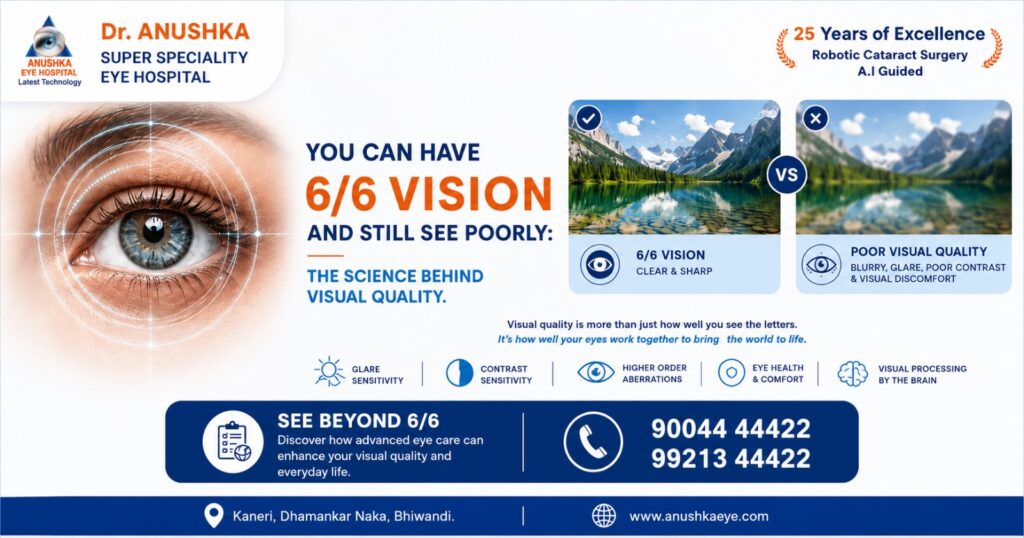
Many people believe 6/6 vision means perfect eyesight, but visual quality involves much more than reading letters on an eye chart. This article explains how glare sensitivity, contrast loss, dry eye, higher-order aberrations, and night vision problems can affect daily life despite normal visual acuity.
How Your Brain Tricks Your Eyes: The Science Behind Visual Illusions
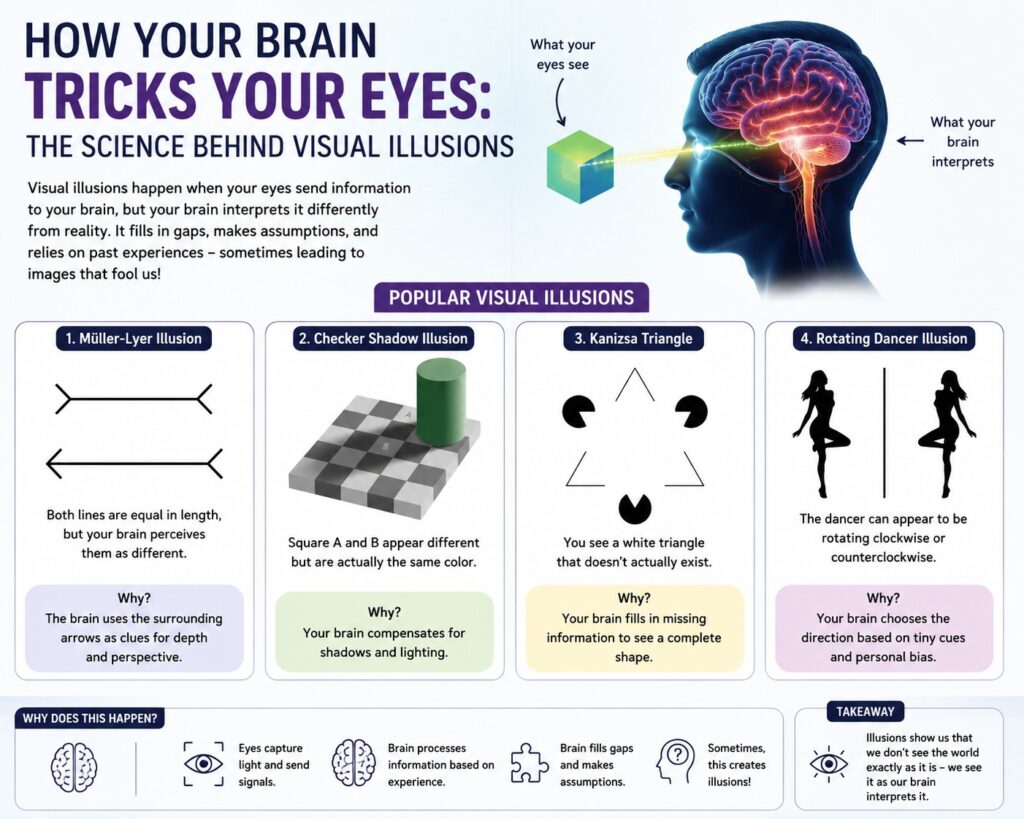
Visual illusions reveal how your brain processes and interprets what your eyes see. Discover the fascinating science behind optical illusions, motion effects, and perception tricks.
Impact of Screen Addiction on Your Eyes
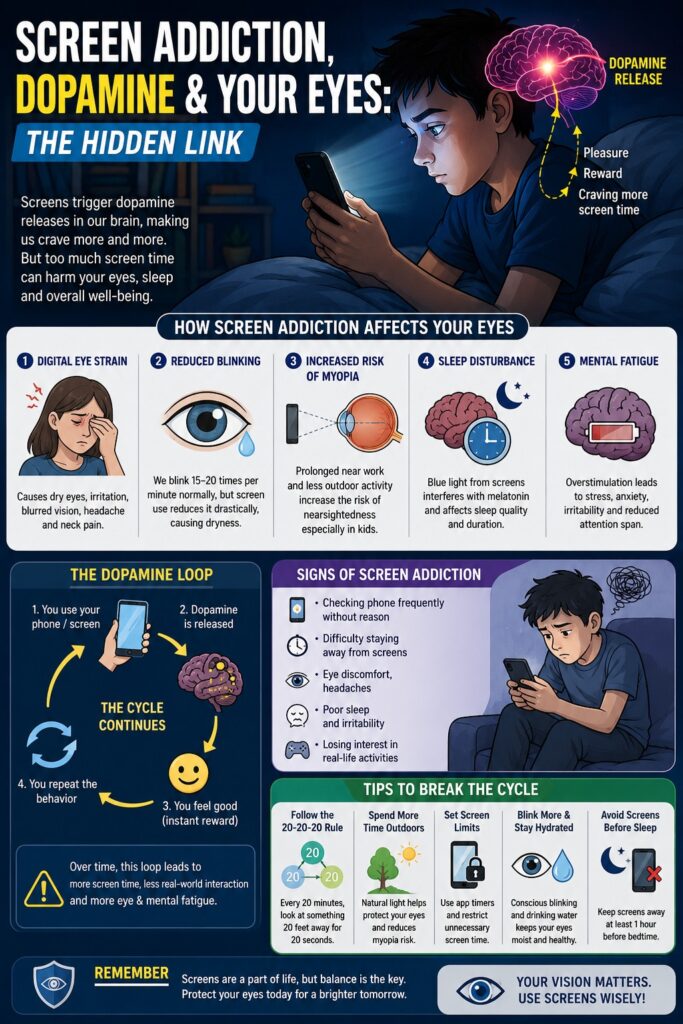
Excessive screen time can lead to eye strain, dry eyes, headaches, poor sleep, and reduced focus. Learn how screen addiction impacts your brain and vision, along with simple ways to break the cycle and protect your eye health.
Why Some Cataracts Grow Faster Than Others
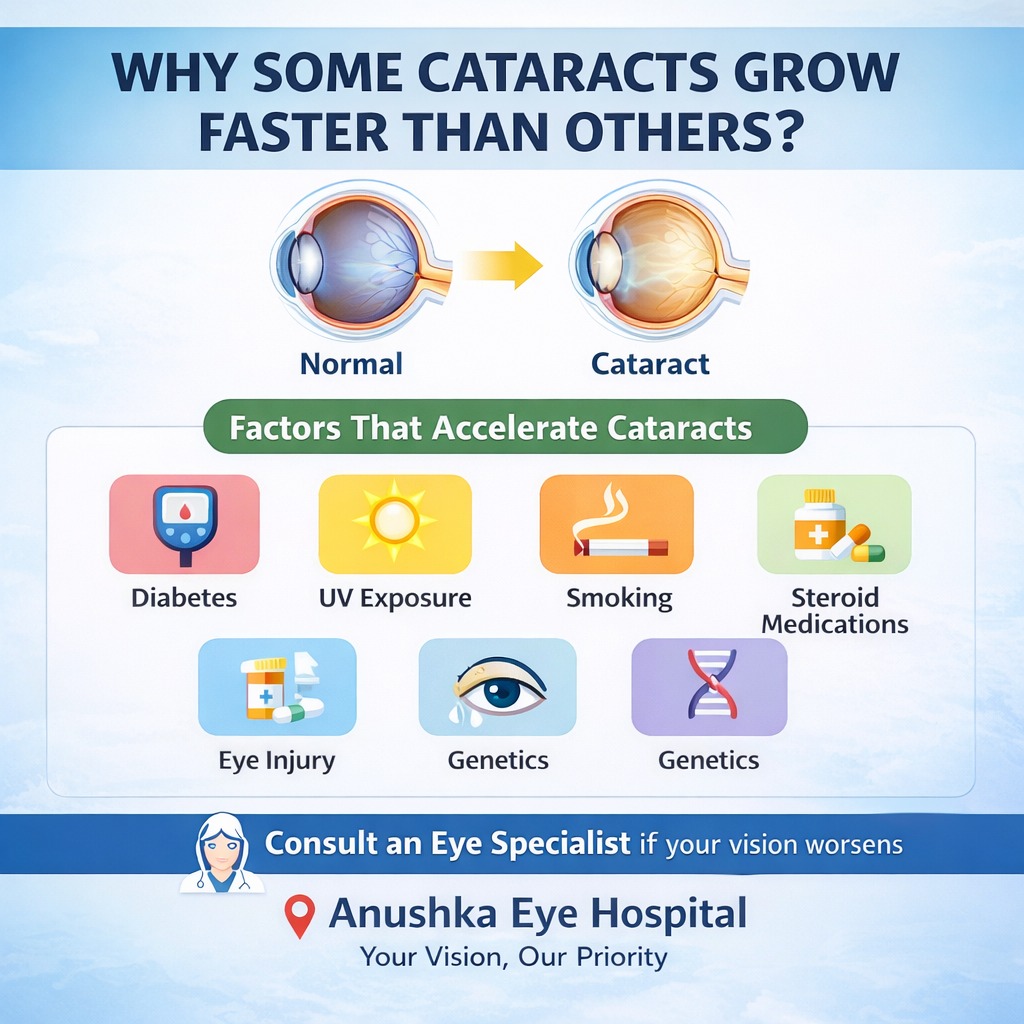
Some cataracts develop slowly, while others worsen quickly. Learn the key causes behind fast cataract progression and when treatment is needed.
Posterior Capsule Opacification (PCO): Why Vision Gets Blurry After Cataract Surgery
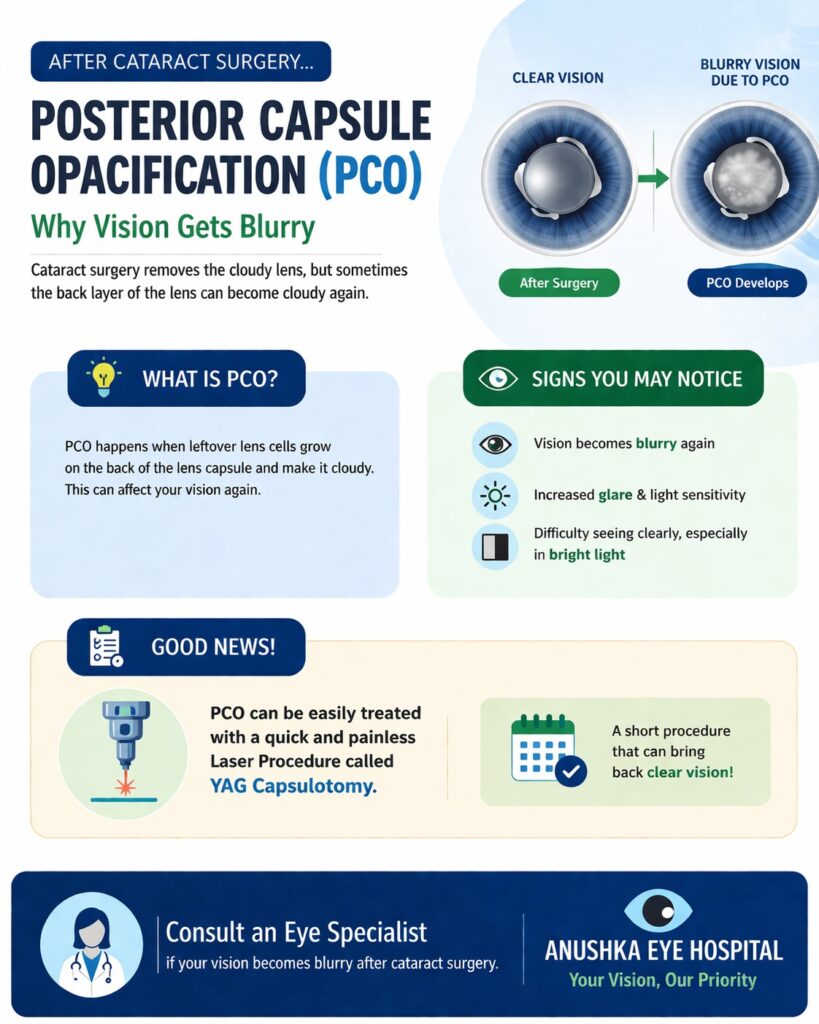
Experiencing blurry vision after cataract surgery? It could be posterior capsule opacification (PCO), a common and treatable condition. Discover its causes, symptoms, and how a quick YAG laser procedure can restore clear vision effectively.
Eye Allergies: Causes & Treatment Guide
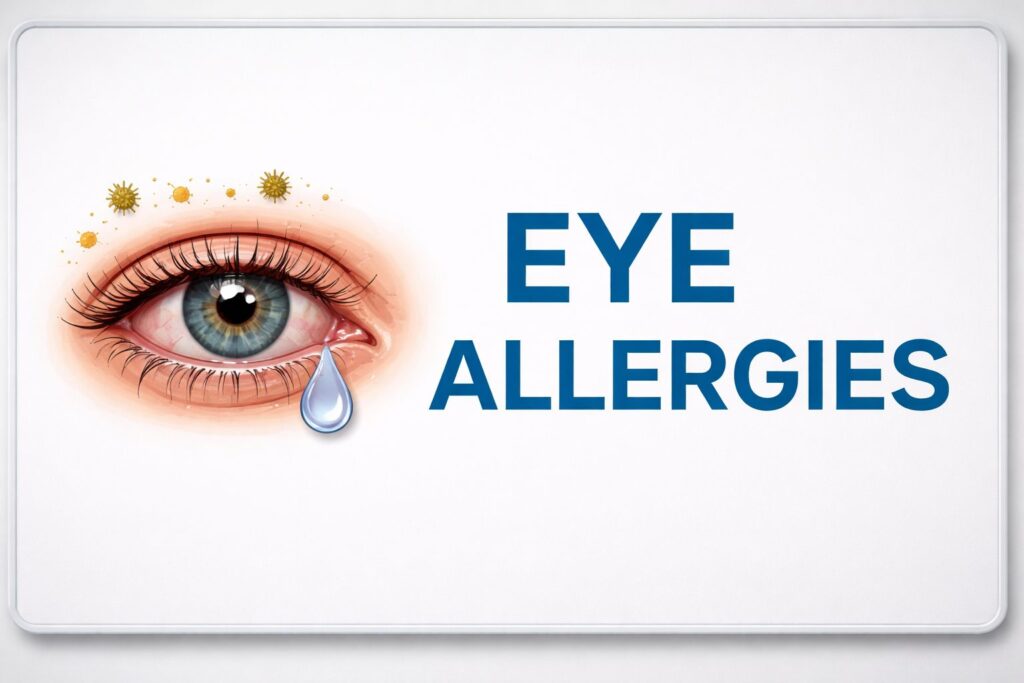
Eye allergies can cause itching, redness, and discomfort. Discover their causes, symptoms, and the best treatment options to keep your eyes healthy and irritation-free.
10 Signs You May Need Cataract Surgery (Don’t Ignore #6!)
Learn the 10 key signs that indicate you may need cataract surgery. From blurred vision to faded colors, early detection helps protect your eyesight and improve daily life.
Can cataract cause blindness
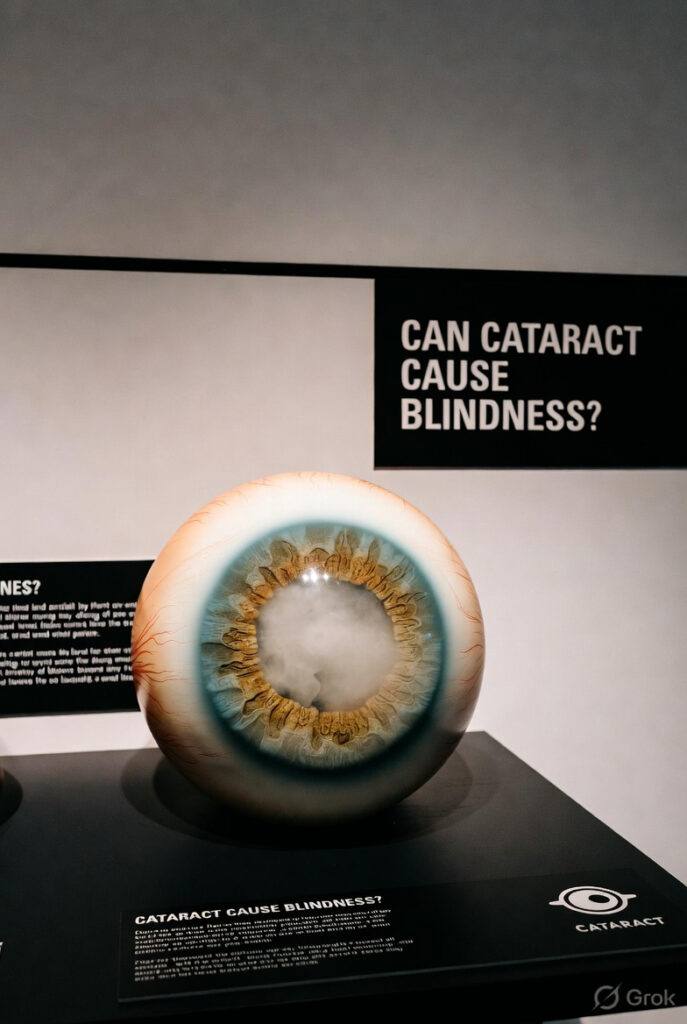
Cataracts develop earlier in diabetic patients due to high blood sugar levels. This guide explains symptoms, safety of surgery, preparation, and recovery tips to help maintain clear vision and healthy eyes.
Cataract Surgery in Diabetic Patients: What You Need to Know
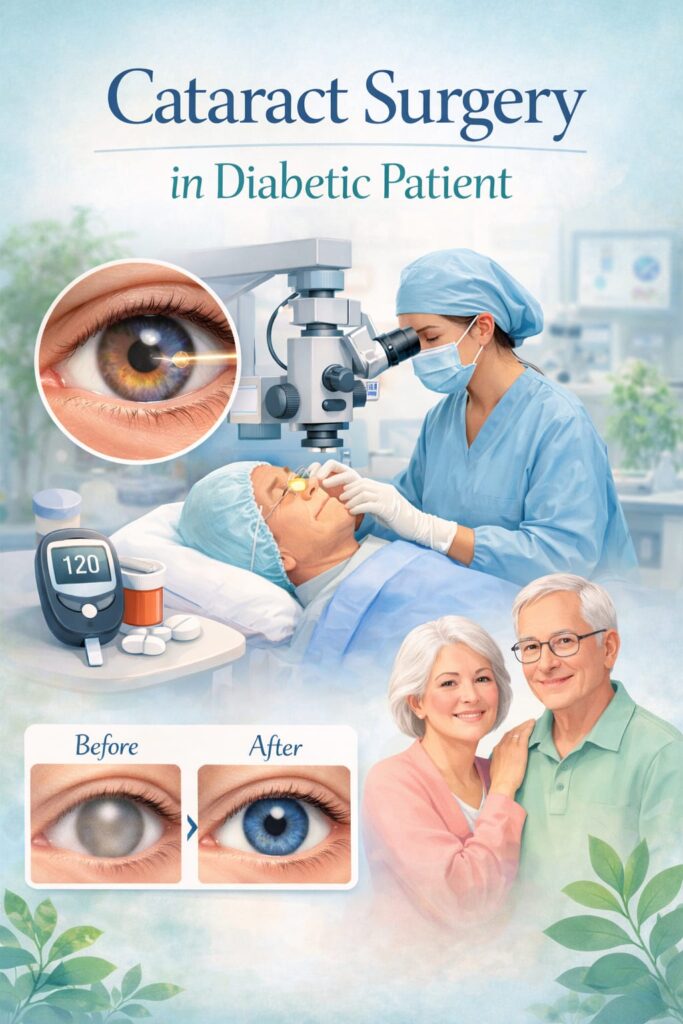
Cataracts develop earlier in diabetic patients due to high blood sugar levels. This guide explains symptoms, safety of surgery, preparation, and recovery tips to help maintain clear vision and healthy eyes.
Sunlight, UV Rays & Eye Protection

Excessive exposure to sunlight and UV rays can silently damage your eyes over time, leading to cataracts, eye growth, and vision problems. Learn the risks of UV exposure and simple ways to protect your eyes with proper sunglasses, hats, and regular eye checkups.