Anushka Super Speciality Eye Hospital

How NABH Accreditation Improves Patient Safety & Care in an Eye Hospital

Eye Health

Choosing the right eye hospital is one of the most important healthcare decisions a patient can make. With hundreds of clinics and centres offering eye care, how can patients know which hospital truly follows the highest standards of safety, hygiene, ethics, and treatment quality?

This is where NABH Accreditation becomes the gold standard.

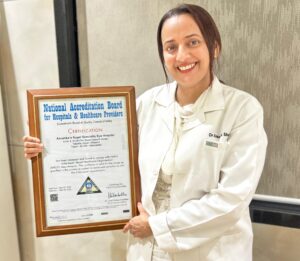
Dr. Anushka’s Super Speciality Eye Hospital, Bhiwandi, is proud to be NABH-accredited, making us the first eye hospital in Bhiwandi to receive this recognition. This accreditation isn’t just a certificate—it is a complete system of quality, transparency, and patient safety built into our daily operations.

This blog explains what NABH is, why it matters, and how it improves patient care.

What is NABH?

NABH stands for National Accreditation Board for Hospitals & Healthcare Providers, a constituent board of the Quality Council of India.

NABH sets strict healthcare standards covering:

  • Patient rights
  • Cleanliness & infection control
  • Trained staff
  • Emergency preparedness
  • Safe surgeries
  • Transparent charges
  • Ethical care

Hospitals must pass an in-depth inspection to receive accreditation.

Why NABH Accreditation Matters in Eye Care

Eye surgeries such as cataract, retina, cornea transplant, and glaucoma procedures require extreme precision. Even minor lapses in hygiene or protocol can affect visual outcomes.

NABH ensures:

  • Safe surgeries
  • Standardized protocols
  • Zero compromise on infection control
  • Legally compliant processes
  • Ethical and transparent treatment

For patients, it means trust.

How NABH Improves Patient Safety and Experience

1. Standardized Clinical Protocols

NABH ensures every patient receives treatment based on internationally accepted clinical guidelines.

Examples:

  • Pre-operative checklists
  • Sterilization cycles
  • Safe medication processes
  • Post-op monitoring standards

This reduces human error and increases success rates.

2. Infection Control at the Highest Level

Eye surgeries require absolute cleanliness.

NABH mandates:

  • Class-specific operation theatre standards
  • Air quality monitoring
  • Sterile instrument handling
  • Microbial surveillance
  • Protocols for cleaning of surfaces, linens, equipment

This drastically reduces the risk of post-operative infections.

3. Well-Trained & Competent Staff

Every optometrist, nurse, assistant, and doctor must undergo:

  • Regular skill assessments
  • Mandatory training sessions
  • Upgradation of protocols
  • Emergency handling drills

This ensures that every member of the team is competent and updated.

4. Transparency in Billing and Treatment

NABH focuses on ethical and transparent systems. Patients receive:

  • Clear estimate of charges
  • No hidden fees
  • Explanation of each treatment
  • Consent forms in simple language

This builds trust with patients and families.

5. Safe Surgery Protocols

NABH ensures that surgeries follow strict safety steps:

  • Double verification of patient identity
  • IOL power confirmation
  • Correct-site surgery checks
  • Proper sterilization of instruments
  • Post-op medication audits

This eliminates common surgical errors.

6. Emergency Preparedness

NABH requires hospitals to be prepared for:

  • Medical emergencies
  • Anaesthesia-related complications
  • Fire safety
  • Equipment failures

Regular mock drills ensure that staff know exactly what to do in critical moments.

7. Strict Quality Audits

NABH is not a one-time achievement—it requires continuous compliance.

Hospitals must perform:

  • Internal audits
  • Infection control audits
  • Equipment calibration
  • Root-cause analysis for any incident
  • Monthly quality indicator reporting

This maintains high-quality care at all times.

8. Patient Rights and Privacy Protection

Patients are entitled to:

  • Respectful behavior
  • Privacy during examinations
  • Access to medical records
  • Clear communication
  • Confidentiality of medical information

NABH ensures strict adherence to these rights.

9. Improved Surgical Outcomes

Because of standardization, cleanliness, and precision, clinical results are consistently better in NABH-accredited hospitals.

Patients benefit through:

  • Faster recovery
  • Fewer complications
  • Better visual outcomes

What NABH Means for Bhiwandi Patients

Being the first NABH-accredited eye hospital in Bhiwandi, Dr. Anushka’s Super Speciality Eye Hospital brings metro-city standards to our local community.

Patients get:
  • Safer surgeries
  • Better diagnosis
  • Ethical practices
  • Trained staff
  • Authentic medical guidance

This raises the overall standard of eye care in the city.

Conclusion

NABH accreditation is a mark of excellence and dedication. It proves that an eye hospital follows the highest level of patient safety, cleanliness, ethics, and medical quality. At Dr. Anushka’s Super Speciality Eye Hospital, this recognition reflects our commitment to providing world-class eye care to every patient who walks through our doors.

Tags :
Eye Health
Share This :