Safe, Green and Mindful Diwali: A Complete Guide to Celebrating the Festive Season Responsibly
anushka
6 November 2026

Celebrating Diwali With Awareness
A safe Diwali comes down to four habits: handle fire carefully, protect the air, eat mindfully, and look after the vulnerable people and animals around you. Small choices before the festival make the biggest difference to how it ends.
Diwali 2026 falls on 8 November, and families across India are already shopping for lamps, sweets, gifts and decorations. The festival celebrates the victory of light over darkness, yet every year it also brings burn injuries, eye emergencies, a spike in air pollution, digestive trouble from rich food, and frightened pets.
None of this takes away from the joy of the festival. With a little planning, you can keep every tradition and still protect your family, your neighbours and the environment. This guide walks through each area with practical, easy steps.
Fire and Firecracker Safety for the Whole Family
Most Diwali injuries are preventable. Burns and eye injuries happen when crackers are lit carelessly, close to people, or without adult supervision.
- Light crackers outdoors, in an open area, away from buildings, vehicles, dry leaves and gas cylinders.
- Keep a bucket of water and a bucket of sand within reach before you start.
- Let adults light every cracker. Children should watch from a safe distance, at least several metres away.
- Never relight a cracker that did not burst. Pour water over it and leave it alone.
- Never hold a cracker in your hand or place it in a container such as a bottle or tin.
- Wear cotton clothing, as synthetic fabrics catch fire and melt onto the skin. Avoid loose dupattas, sarees and flowing sleeves near flames.
- Wear safety glasses when lighting crackers, and keep your face away from the fuse.
- Keep diyas and candles away from curtains, decor and children’s reach.
- Store crackers in a cool, dry place, away from kitchen heat and lamps.
For minor burns: hold the burned skin under cool running water for 15 to 20 minutes. Do not apply ice, toothpaste, butter or oil. Cover loosely with a clean cloth. For large, deep or face burns: go to hospital immediately.
Air Pollution and Breathing: Protecting Your Lungs After Diwali
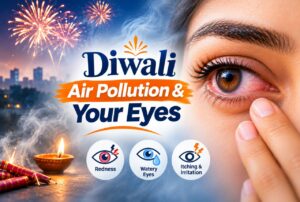
The smoke from crackers releases fine particles and gases that irritate the lungs, and the effect is worst in cities where winter air is already still and polluted. Children, older adults, pregnant women and people with asthma, COPD or heart disease are most at risk.
- Check the air quality index (AQI) each morning and evening. On poor or very poor days, keep outdoor activity short.
- Keep windows closed during peak cracker hours, and use an air purifier if you have one.
- Keep inhalers and prescribed medicines handy if you have asthma or a lung condition, and do not skip regular doses.
- Wear a well-fitted N95 or FFP2 mask Ordinary cloth and surgical masks filter very little of the fine particles.
- Drink warm water and stay hydrated, and avoid heavy exercise outdoors the morning after Diwali.
- Seek medical help for wheezing, chest tightness, breathlessness, a cough that will not settle, or chest pain.
If you want to reduce the smoke yourself, burn fewer crackers or choose a lights-and-sweets Diwali. Your neighbours’ lungs will thank you.
Eco-Friendly Diwali: Green Ideas That Keep the Sparkle
A sustainable Diwali does not mean a dull one. It means choosing options that glow just as brightly and leave less waste behind.
- Choose diyas over electric strings where you can. Clay diyas are biodegradable, support local potters and can be reused or composted. Use ghee or vegetable oil instead of paraffin wax.
- Make rangoli from natural materials such as rice flour, flower petals, turmeric and coloured lentils instead of synthetic powders.
- Pick LED lights if you use electric lighting. They use far less electricity and last for many seasons.
- Decorate with flowers, leaves and reusable items. Avoid single-use plastic and thermocol. Donate or compost flowers after the festival.
- Wrap gifts in cloth, newspaper or jute, and give plants, books, dry fruit or handmade items instead of heavily packaged goods.
- If you use crackers, check local rules and follow them. Many cities restrict or ban certain crackers or set fixed time windows, and the rules differ by state. Look for officially approved low-emission “green” crackers where they are permitted, but remember they are still crackers and still cause smoke and noise.
- Try alternatives: community lamp-lighting, music, storytelling, light shows or a family game night give the same festive feeling without the smoke.
- Buy local and in season to cut transport emissions and support small artisans and sweet makers.
- Clean up responsibly. Sweep up cracker waste and dispose of it properly, and never burn it.
Festive Food and Health: Enjoy Sweets Mindfully
Sweets, fried snacks and late-night feasts are part of Diwali. You can enjoy them and still avoid the spike in acidity, indigestion and blood sugar that follows.
- Eat small portions and eat slowly. One or two pieces of mithai savoured well beat five eaten in a rush.
- Do not skip meals to save room for sweets. It leads to overeating later.
- If you have diabetes, high blood pressure or heart disease, keep taking your medicines, check your sugar regularly and ask your doctor how to plan festive meals.
- Choose lighter options such as dry fruits, roasted makhana, fresh fruit, nuts or sweets with less sugar and ghee.
- Balance fried food with salad, curd, fruit and plenty of water, and take a short walk after meals.
- Be careful with food safety. Buy sweets from trusted shops, check dates, refrigerate milk-based sweets and avoid adulterated mawa or khoya, which is common in festive demand.
- Watch alcohol and caffeine during late-night parties, and never drive after drinking.
- Check labels for allergens such as nuts, milk and gluten when sharing food or gifts.
Children, Elders and Pets: Extra Care During Diwali
The loud, bright and smoky festival affects the most vulnerable members of the household the hardest.
Children
- Keep them supervised at all times around fire, diyas and crackers.
- Let them enjoy safer options such as sparklers only with an adult, in an open space, holding them at arm’s length. Sparklers burn at very high temperatures, so keep a bucket of water for used ones.
- Encourage rangoli, diya painting and craft activities as fun, safe alternatives.
Elders
- Keep them indoors on high-pollution days and keep medicines within reach.
- Check on elderly neighbours who live alone, and make sure they have food, medicines and a way to call for help.
- Be mindful that loud bursts can distress people with heart conditions, dementia or hearing aids.
Pets and street animals
- Keep dogs and cats indoors in a quiet room with the windows closed, and play soft music or the TV to mask the noise.
- Make sure pets wear a collar with an ID tag and are microchipped if possible, since many go missing during fireworks.
- Never take pets to firework displays, and do not leave them on balconies or tied outside.
- Speak to your vet in advance if your pet gets severe anxiety, as calming support may be available.
- Avoid placing crackers near stray animals, and leave out water and shelter for them.
Emergency Numbers and When to Seek Help
Save these numbers on your phone before the festival, and keep your family informed of them.
Situation | Who to contact |
Any emergency in India | 112 |
Ambulance | 108 or 102 (varies by state) |
Fire | 101 |
Police | 100 |
Women in distress | 181 |
Child in distress | 1098 |
Go to a hospital immediately for:
- Burns that are large, deep, on the face, hands or genitals, or that blister heavily
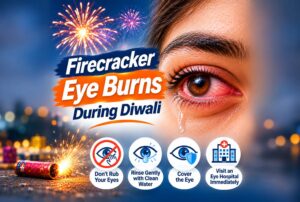
- Any eye injury, including a minor-looking one
- Breathlessness, wheezing, chest pain or fainting
- Severe vomiting, abdominal pain or signs of food poisoning
- Swallowed fireworks, diya oil or other chemicals, especially by a child
Keep the number of your family doctor and the nearest eye hospital handy as well.
Frequently Asked Questions
How can I celebrate Diwali safely?
Light crackers only outdoors and under adult supervision, keep water and sand nearby, wear cotton clothes and eye protection, keep a safe distance and never relight a cracker that failed. Many families also choose a cracker-free celebration.
What are green crackers?
Green crackers are officially approved crackers designed to release fewer particles and harmful gases than conventional ones. They are still crackers and still produce smoke and noise, and local rules on their use vary by state.
How can I protect my lungs from Diwali smoke?
Check the AQI, keep windows closed during peak hours, use an N95 mask outdoors, stay hydrated and keep prescribed inhalers close. See a doctor if you develop wheezing, breathlessness or chest tightness.
What is the best way to keep pets calm during Diwali?
Keep them indoors in a quiet room, close windows, use soft music to mask the noise, and make sure they wear ID tags. Never leave them outside or tied up.
How can I eat sweets without harming my health?
Take small portions, eat slowly, do not skip meals, balance fried food with fruit and water, and buy from trusted sellers. People with diabetes should follow their doctor’s advice and monitor their sugar.
What are some eco-friendly Diwali ideas?
Use clay diyas, natural rangoli, LED lights, flowers and reusable decor, give plastic-free gifts, buy local and avoid burning waste.
What should I do if someone is burned or injured by a cracker?
Cool a minor burn under running water for 15 to 20 minutes and cover it loosely. For eye injuries, large or deep burns, or any serious injury, call 112 and go to a hospital immediately.
Enjoy Diwali, Protect Your Vision
A firecracker eye injury takes a second to happen and can change a life, but fast, correct first aid and prompt treatment save many eyes. Flush with clean water, do not rub or medicate, shield the eye if something is stuck, and get to an ophthalmologist immediately.
Better still, prevent it. Wear eye protection, keep your distance, supervise children and choose a safer, quieter celebration. Share this guide with your family, friends and neighbours before Diwali so that everyone knows what to do.